The article by Paul Offit highlights the issue of Vitamin supplements. In most occasions, it has been argued that the foods that people consume do not contain enough nutrients. As such, there is a need to include supplements in the diet. However, several studies have been conducted to show that they are not completely beneficial as most people tend to believe. For instance, some scientists have established that Vitamin C alone have minimal impact on the duration and severity of the upper respiratory tract infections (Offit, 2013). Other studies have also shown that the consumption of these supplements cannot reduce death rates as a result of cancer. From this information, it is clear that members in society have been made to believe in the effectiveness offered by vitamin supplements. However, the research carried out by other scholars and researchers should make them disregard the belief entirely.
The article has a couple of key moments that stood out. One of them is where the Pauling published an article that urged the public to consume 3000 milligrams of Vitamin C daily. The frequency is about 50 times the recommended daily allowance. A second key moment that stood out was where it was established that on its own or when complemented with an antihistamine, Vitamin C has minimal impact on the duration or level of infections in the upper respiratory tract. Thirdly, there was the case where the article stated that as a result of having hope, cancer patients and their families convinced their healthcare providers to offer them massive vitamin C doses.
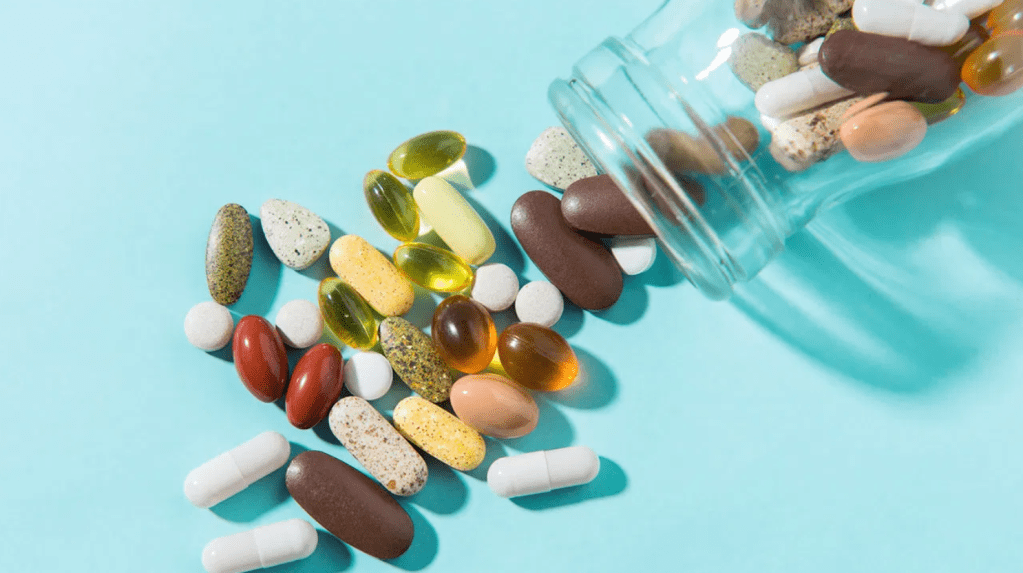
With regard to the key moments, I must say that I also agree with what the author says. When I look around, I also see people obsessed with consuming vitamin supplements. These people will walk into pharmacies and walk out with various kinds of medicines. Further, there are those who will take more than the recommended level. Though they believe that they are beneficial to the body, these people do not know that they are not 100 percent effective. I have taken some time to conduct more research concerning these supplements and the side effects that they may have on the human body. First, people should realize that there is a thing as too much of a good thing. Specific vitamins, for instance, the fat-soluble ones, are more likely to be overdosed on. Cases of overdose may vary from mild to severe, which can result in symptoms such as vomiting, nausea, insomnia, and sweating (Kolarov & Stoimenova, 2016). Additionally, people might also experience depression, difficulty in breathing, and fatigue. The vitamins that one needs to watch out for include A, D, E, and K.
Secondly, people should know that some vitamins do not work as well as they should. Liquid and chewable vitamins work better as compared to solid pills. This is because the latter pass via the stomach and intestines without complete absorption taking place. As such, they do not end up offering the maximum level of benefit as required of them (Irfan, 2019). Thirdly, there is the matter of safety. In some cases, these supplements do not require to be approved prior to being sold in the market. As such, one is likely to purchase supplements that contain unsafe additives or chemicals. Additionally, there is the issue of the allowable limit of vitamins, which means that one may be getting the wrong amount.
The information provided has shown that members in society may be easily misled. As shown, there is the popular belief that the food people consume lacks all the nutrients that the body needs, hence the need to include vitamin supplements. It is surprising to see the number of studies and research initiatives that have disputed this belief and put an end to the long debate. Thus, people should avoid overdependence on vitamin supplements. Instead, they should strive to purchase and consume natural foods that are rich in the vitamins that they require.
References
Irfan, M. (2019). Complementary Feeding; Pros and Cons. Acta Scientific Nutritional Health, 3, 12-16.
Kolarov, P., & Stoimenova, M. (2016). Does the supplementation of vitamin D affect depressive symptoms? European Psychiatry, 33, S513.
Offit, P. (2013). The Vitamin Myth: Why We Think We Need Supplements. https://www.theatlantic.com/health/archive/2013/07/the-vitamin-myth-why-we-think-we-need-supplements/277947/
 Afblay's Blog